Something unusual is happening in the economy again: money itself feels like it’s going on sale. After several years of rising interest rates designed to crush inflation, the Federal Reserve is now signaling a shift. Rates are coming down, liquidity is opening up, and borrowing is getting cheaper.
This shift in policy by the federal reserve is significant for many New Mexicans.
The federal reserve’s actions can have profound effects on the local economy.
The federal reserve’s decisions impact household budgets directly.
The last time we saw this was in March 2020, when the Fed slashed rates to near zero and launched an unprecedented $5 trillion monetary easing program to counter the economic impact of the COVID-19 pandemic.
Economists might call this a “monetary easing cycle.” But let’s put it more plainly: we’ve entered a Cheap Money Cycle. For New Mexicans, that matters deeply. When money is cheaper, it changes the math on buying homes, starting businesses, refinancing debt, and even how communities fund schools and roads.
This moment can feel like an opportunity — but as with any sale, there are fine print warnings.
Why “Money on Sale” Matters for Everyday New Mexicans
Think about it like a storewide discount: borrowing costs drop, and suddenly families and businesses can stretch their dollars further. For example:
- A one-point drop in mortgage rates on a $300,000 home saves a family nearly $200 a month.
- A small restaurant in Albuquerque might finally afford new kitchen equipment with a cheaper loan.
- A county government can issue bonds at lower yields, cutting costs on big projects like water infrastructure or broadband expansion.
But just like shopping too hard during a sale, easy credit can tempt households and businesses to overextend. And savers — especially retirees — may feel the sting when their CDs and bonds yield less.
In this environment, the federal reserve is crucial to maintaining stability.
Understanding the federal reserve’s role is essential for all New Mexicans.
This is where the federal reserve steps in to help manage economic fluctuations.
The National Picture Driving the Cheap Money Cycle
The move toward cheaper credit isn’t happening in a vacuum. National trends set the tone:
The federal reserve’s actions can influence consumer behavior in significant ways.
As the federal reserve reacts, markets will adjust accordingly.
This environment underscores the federal reserve’s critical importance.
- GDP Growth is Swinging: The U.S. economy shrank by –0.6% in Q1 2025, then surged back with 3.8% annualized growth in Q2. Volatility like this makes policymakers eager to soften the landing.
- Consumers Are Still Nervous: The University of Michigan’s Consumer Sentiment Index fell to 55.1 in September 2025, far below the 70.1 registered a year earlier. That tells us people are cautious, not confident.
- The Yield Curve is Flat: Long-term Treasury yields remain low relative to short-term rates, suggesting Wall Street expects slow growth ahead — another nudge for lower rates.
This could mean more support from the federal reserve for housing initiatives.
Families need to stay informed on how the federal reserve’s policies affect them.
Together, these conditions create the backdrop for what we’re calling Money on Sale: cheaper loans and easier credit.
What the Cheap Money Cycle Means for New Mexico
Access to capital often hinges on the federal reserve’s stance.
1. Families and Homebuyers
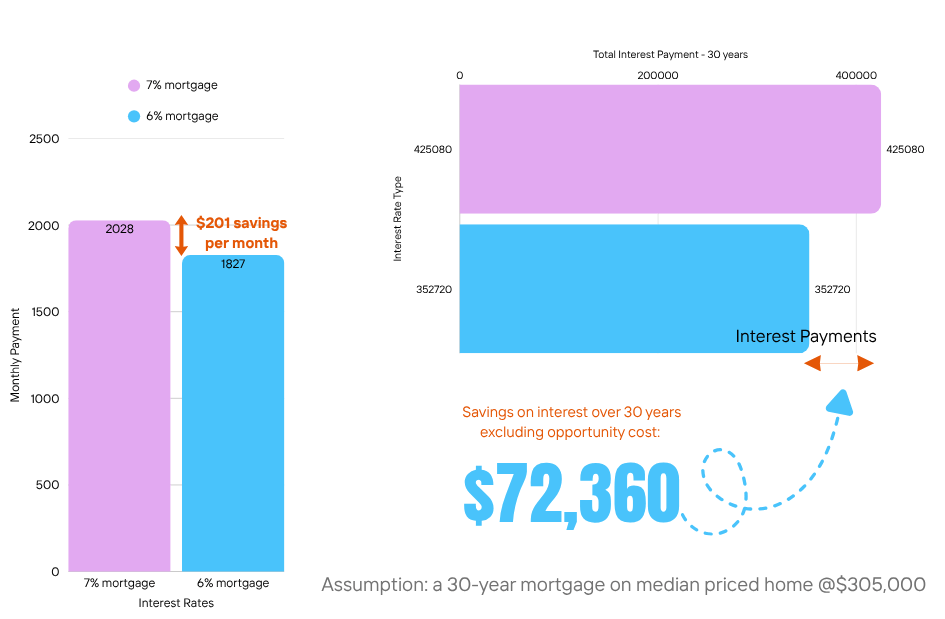
Lower rates could help households refinance mortgages, take out loans, or afford homes that were out of reach last year. For a median-priced New Mexico home (about $305,000), a drop from 7% to 6% on a 30-year mortgage equals nearly $201 in monthly savings. That’s real relief for working families.
But households living on fixed incomes face a tougher story. As returns on savings accounts and bonds shrink, retirees may feel pressure to move into riskier investments to keep up with inflation.
2. Small Businesses
Ultimately, the federal reserve shapes the economic landscape we navigate.
With about 97% of New Mexico businesses employing fewer than 50 people, the state’s economy runs on small firms. The Cheap Money Cycle means more affordable lines of credit and expansion loans. A family-owned farm in the Mesilla Valley or a tech startup in Santa Fe could suddenly see growth capital within reach.
The challenge? Access. Minority-owned and rural businesses often report difficulty securing loans, even when credit is flowing nationally. If lenders stay cautious, the benefits of “money on sale” won’t reach everyone.
3. Communities and Infrastructure
Local governments are big winners in this cycle. Municipal bonds — used to finance schools, roads, and water projects — can be refinanced at lower costs. That could free up millions in savings over the lifetime of a bond issue. For New Mexico, which is investing heavily in renewable energy and broadband infrastructure, this is a window of opportunity.
4. Capital and Innovation
Cheaper money encourages risk-taking. Nationally, more businesses are diversifying assets and investing in alternative vehicles, from technology startups to digital assets. While this hasn’t fully taken root in New Mexico, the same forces could push more local capital into innovation. That’s a double-edged sword: it fuels growth, but it also pulls money away from traditional reinvestment.
Risks of the Cheap Money Cycle
Every sale comes with a catch. For New Mexico, the risks include:
- Inflation Rebound – The Federal Reserve and Congressional Budget Office (CBO) both forecast U.S. inflation hovering around 3.0–3.5% in 2025, above the Fed’s 2% goal (source: CBO Economic Outlook, June 2025; Fed Summary of Economic Projections).
- Hot Housing Market – Lower rates could reignite demand, driving up prices and construction costs in already tight markets like New Mexico (source: National Association of Realtors, Sept. 2025 Housing Report).
- Regional Strains – Rural households may feel sharper price hikes in essentials such as food, fuel, and utilities, deepening cost-of-living gaps (source: USDA Rural Economy Report, 2025).
- Expectations Trap – Economists warn that if households and firms believe inflation will stay high, they raise wages and prices in advance, locking in higher costs (source: Federal Reserve Board Research Note, Aug. 2025).
- Global Shocks – Energy and supply chain disruptions can hit harder when credit is loose, with the OECD projecting inflation potentially nearing 3.9% by late 2025 (source: OECD Economic Outlook, Sept. 2025).
- Whiplash Risk – If inflation surges beyond expectations, the Fed may reverse course quickly with new rate hikes, triggering volatility and stalling investment (source: FOMC Meeting Minutes, Sept. 2025).
The Bottom Line
It’s crucial to understand the federal reserve’s impact on our financial health.
The Money on Sale moment offers New Mexico a rare window: families can ease their monthly budgets, small businesses can expand, and communities can accelerate investment. But just like any discount cycle, it can end suddenly.
The real challenge isn’t just grabbing the deal — it’s using the Cheap Money Cycle wisely. That means:
- Helping families refinance debt without overextending.
- Ensuring small businesses across all regions get access to credit.
- Directing public investment toward long-term growth sectors like renewable energy, water infrastructure, and technology.
If we do that, New Mexico won’t just ride the wave of cheap credit — it will build resilience for when the sale ends.